
Commercial Refrigerator Temperature Guide: Safe Ranges and How to Hold Them
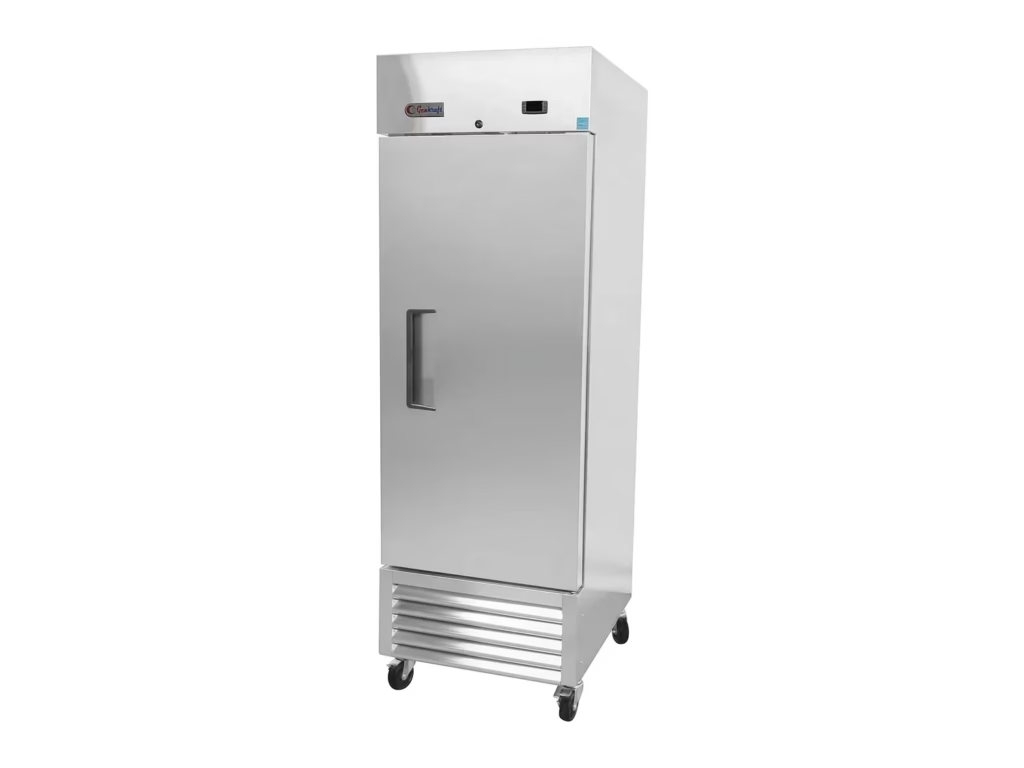
Temperature is the one spec a health inspector will always check. The targets are simple; holding them through a twelve-hour service is where kitchens slip. Here are the numbers, and the habits that protect them.
The numbers that matter
- Refrigerated food: 41°F (5°C) or below. That is the FDA Food Code requirement for cold-held food. Most operators set cabinets around 36–38°F to leave margin for door openings.
- Frozen food: 0°F (-18°C). Food stays safe below freezing, but 0°F protects quality and shelf life.
- The danger zone: 41–135°F. Time in this range is what inspectors and pathogens both care about. Cooling and holding equipment exists to keep food out of it.
Why a unit stops holding temperature
Nine times out of ten it is not the refrigeration system. Blocked airflow from over-packing, torn door gaskets, a condenser coil furred with kitchen dust, or warm pans loaded straight from the line will all drag a healthy cabinet above target. Our maintenance checklist covers the routine that prevents most of it.
Build a simple monitoring habit
- Log every unit’s temperature at open and close, every day.
- Keep a calibrated probe thermometer in the kitchen and spot-check product, not just the air reading.
- Treat a drifting reading as a work order, not a curiosity: gaskets and coils are cheap; a failed compressor and a binned inventory are not.
If a Genkraft unit will not hold temperature after the basics are ruled out, our nationwide service agents can help, and every unit is backed by a one-year parts and labor warranty plus a four-year compressor warranty. Details on the warranty page.
Outfitting a kitchen?
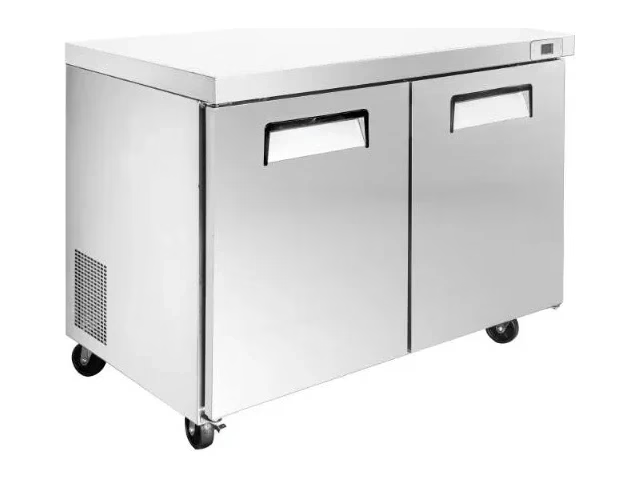
Browse the Genkraft range or talk to our Santa Fe Springs team about specs, availability and dealer pricing.
Browse Products