
Chest Freezer vs Reach-In Freezer: Choosing Commercial Cold Storage
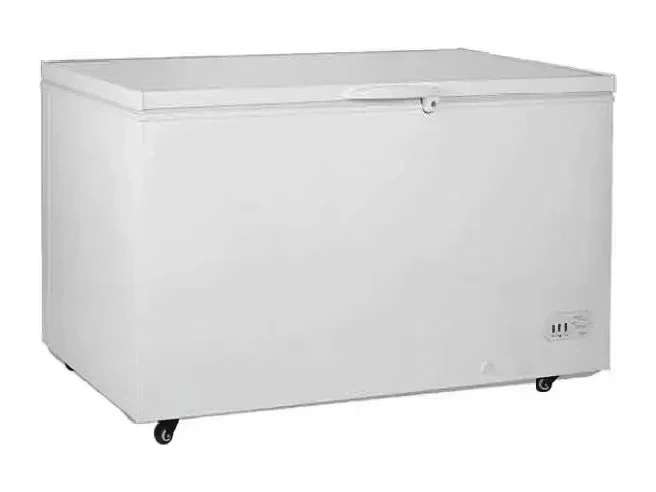
Both keep food at 0°F. The difference is how you load, find, and rotate what is inside, and how much floor they claim while doing it.
The case for a chest freezer
Cold air is heavy, so an opened chest freezer spills far less of it than an upright: temperatures stay rock steady and running costs stay low. Per dollar, a solid-top chest freezer buys more frozen cubic feet than any upright, which makes it the natural choice for bulk backup stock. Glass-top models like the curved sliding glass top double as merchandisers for ice cream and packaged goods.
The case for a reach-in freezer
Shelved, eye-level storage means staff find product in seconds and stock rotates properly (first in, first out actually happens when you can see everything). A reach-in freezer also stands on a fraction of the floor area, which matters in a tight back-of-house.
A working rule
- Bulk, slow-moving, or seasonal stock → chest freezer. Cheapest cold cubic feet, steadiest temperature.
- Daily-access items on a busy line → reach-in. Speed and rotation beat raw capacity.
- Retail display → glass-top chest. Customers serve themselves without dumping the cold.
Most kitchens end up with one of each. Compare capacities in the chest freezer range and the reach-in freezers, with full spec sheets on every product page.
More guides
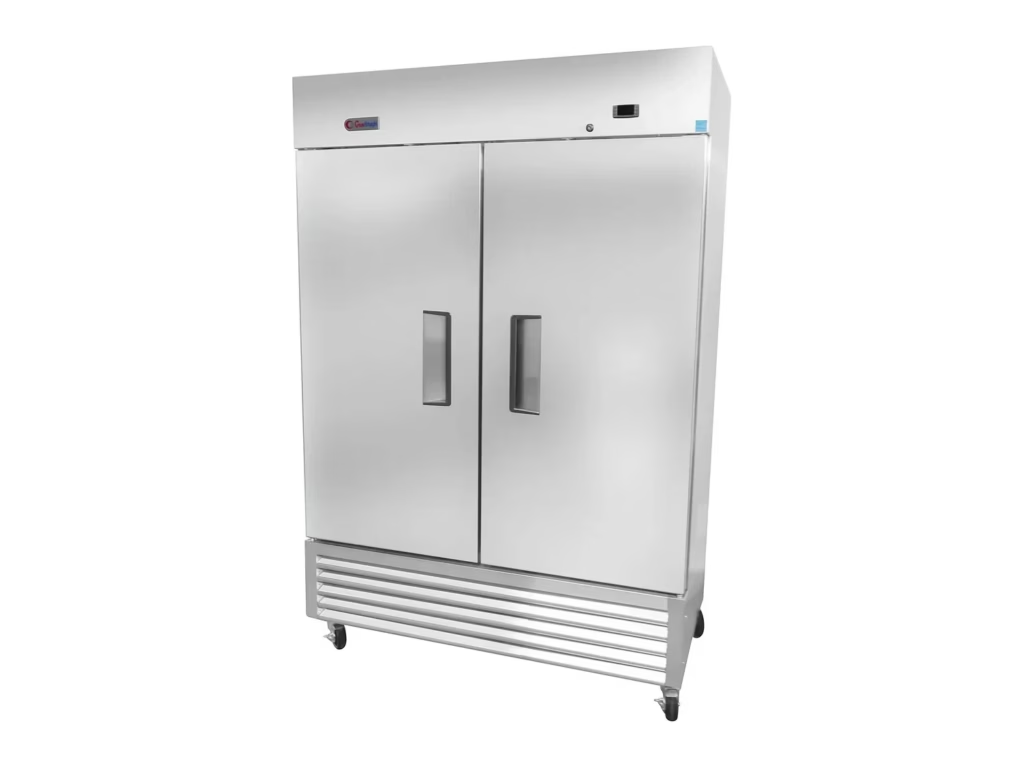
How to Choose a Commercial Reach-In Refrigerator
A reach-in refrigerator works harder than almost anything else in a commercial kitchen. It gets opened hundreds of times a…
Read more →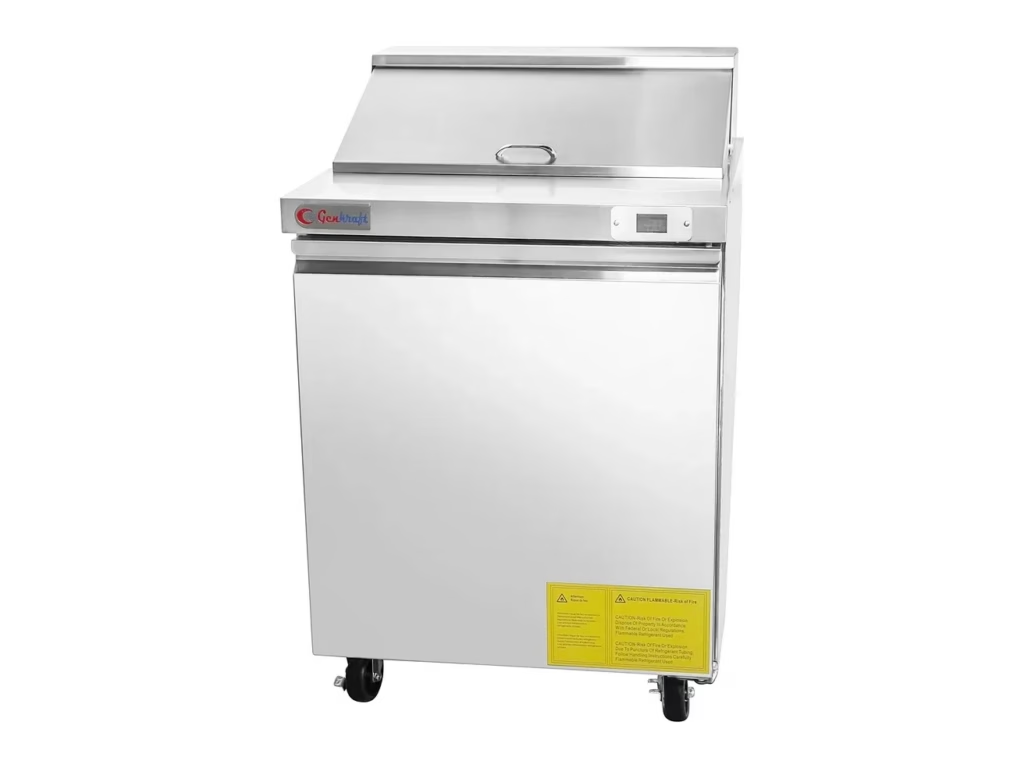
Commercial Prep Table Sizing: Pick the Right Size for Your Service Volume
A prep table that is too small forces constant restocking mid-service. One that is too big wastes line space and…
Read more →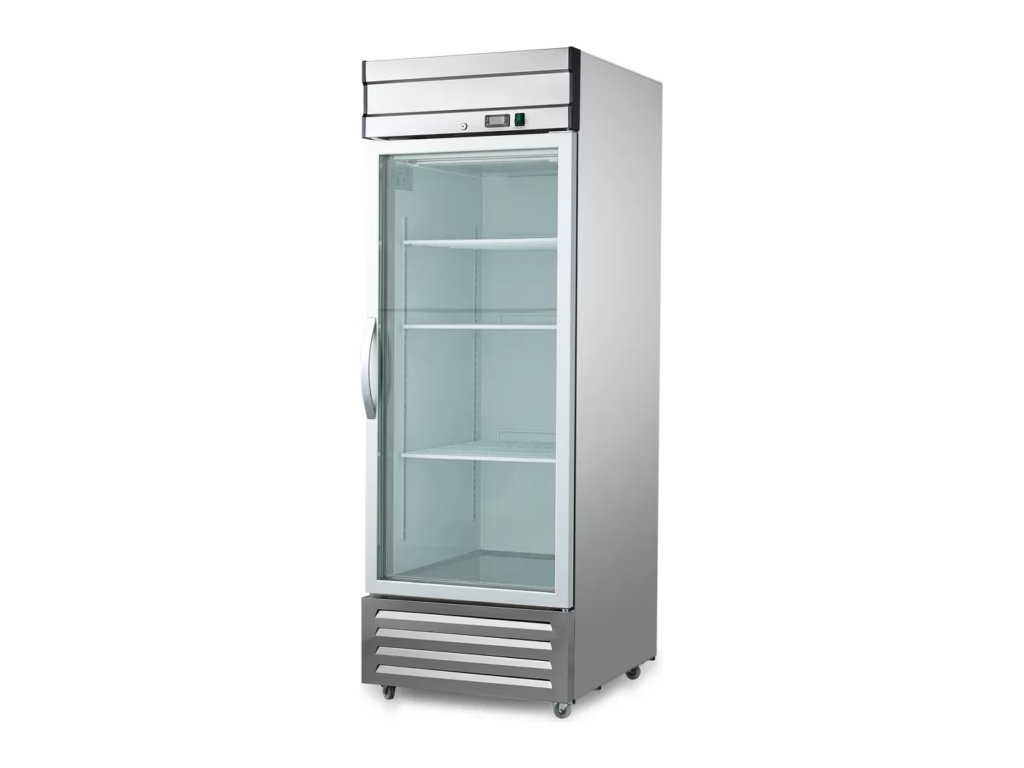
Glass Door vs Solid Door Commercial Refrigerators
Every reach-in cabinet comes down to one early decision: glass doors or solid. Neither is better across the board; they…
Read more →Outfitting a kitchen?
Browse the Genkraft range or talk to our Santa Fe Springs team about specs, availability and dealer pricing.
Browse Products