
Commercial Prep Table Sizing: Pick the Right Size for Your Service Volume
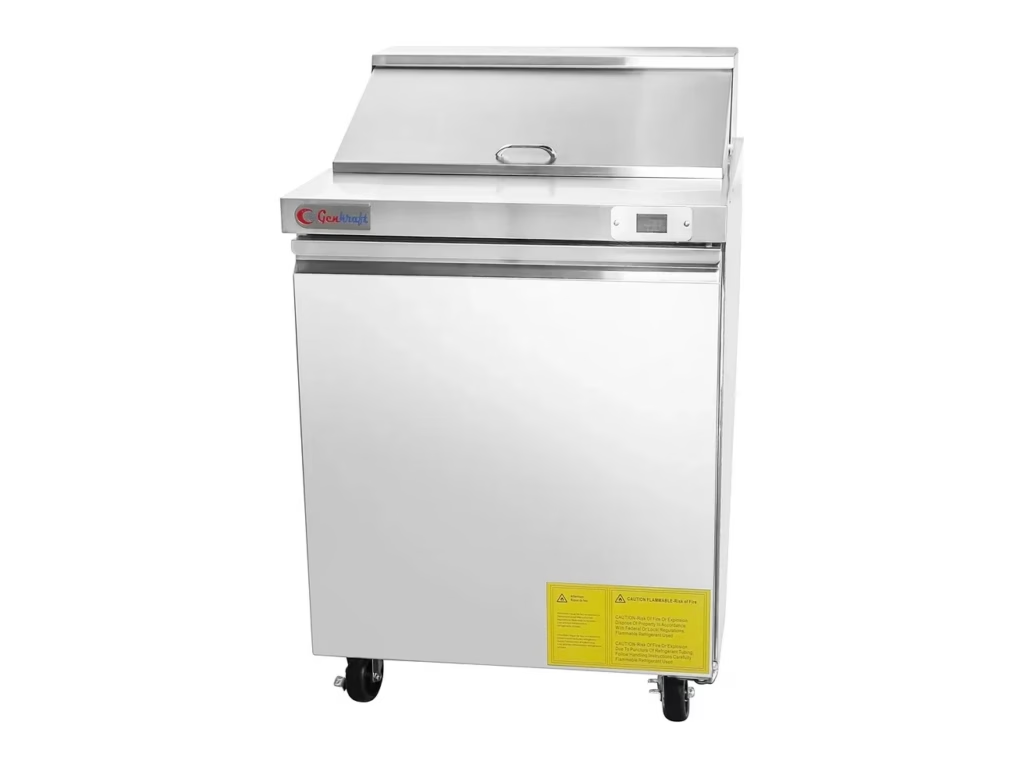
A prep table that is too small forces constant restocking mid-service. One that is too big wastes line space and energy. Sizing comes down to three numbers: how many pans your menu needs, how much cold backup you want underneath, and how much line space you actually have.
Count your pans first
List every cold ingredient that needs to live on the rail during service, then map it to pan sizes. A sandwich station might need a dozen sixth-pans; a pizza makeline often wants deeper third-pans for cheese and proteins. The rail capacity on the spec sheet tells you exactly what fits, so match it against your list with one or two pans of headroom.
Match the format to the menu
- Sandwich and salad units have a shallow rail and a cutting board up front, ideal for high-mix assembly. See the sandwich & salad prep table.
- Pizza prep tables run deeper rails and a wider board for stretching dough, with more refrigerated volume below. See the pizza prep table.
Use the base as real storage
The refrigerated base should hold at least one full service of backup for the rail above it, so a station rarely needs a runner to the walk-in during the rush. Check shelf clearances against the containers you actually use.
Do not forget clearances
Leave room for doors and drawers to open fully with a loaded cart passing behind, and keep the condenser intake clear of flour bins and boxes. Cold food on the rail still needs to hold 41°F or below, so give the unit the airflow it was designed for.
Compare sizes across the prep table range, or ask us which format fits your menu.
More guides
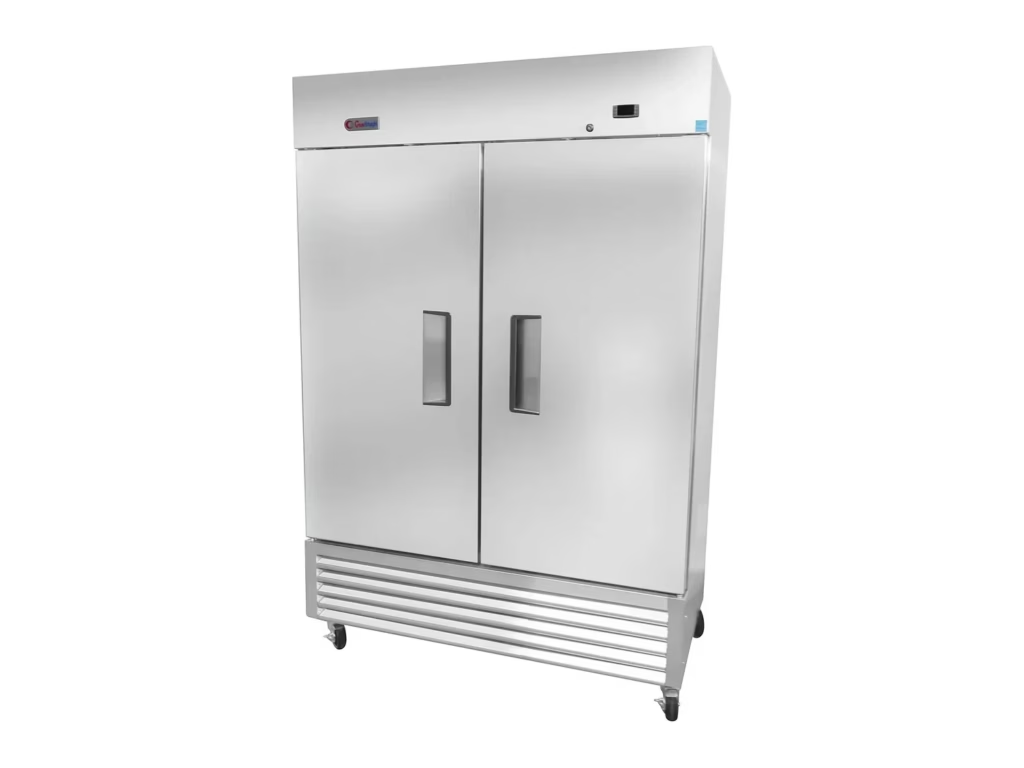
How to Choose a Commercial Reach-In Refrigerator
A reach-in refrigerator works harder than almost anything else in a commercial kitchen. It gets opened hundreds of times a…
Read more →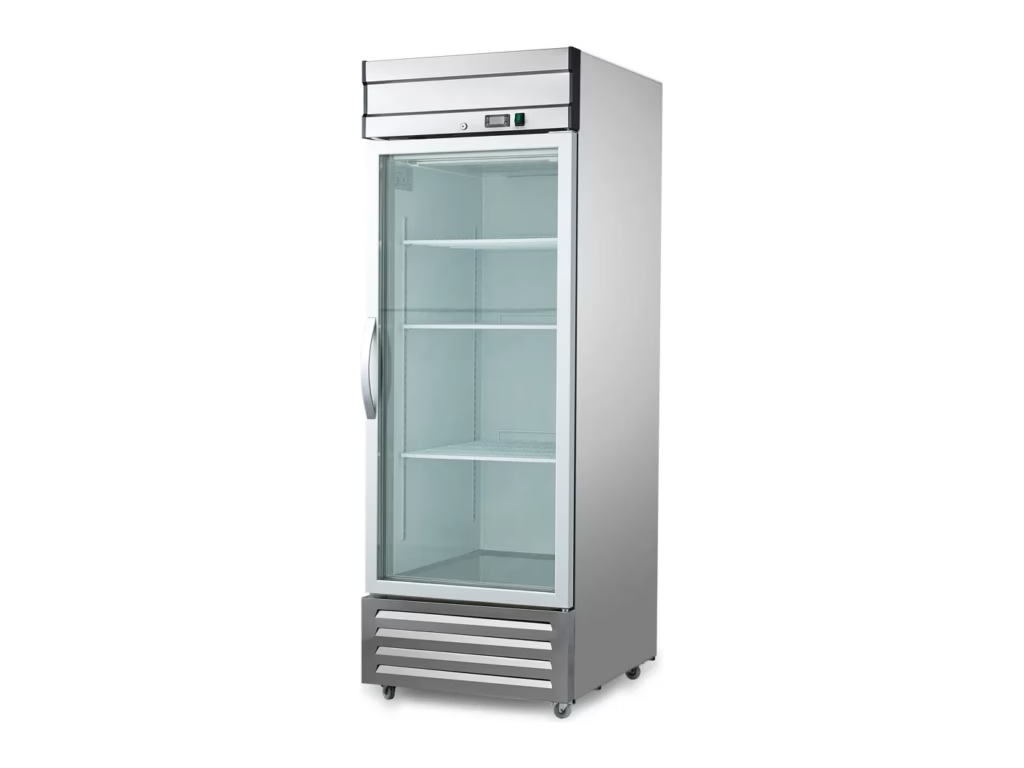
Glass Door vs Solid Door Commercial Refrigerators
Every reach-in cabinet comes down to one early decision: glass doors or solid. Neither is better across the board; they…
Read more →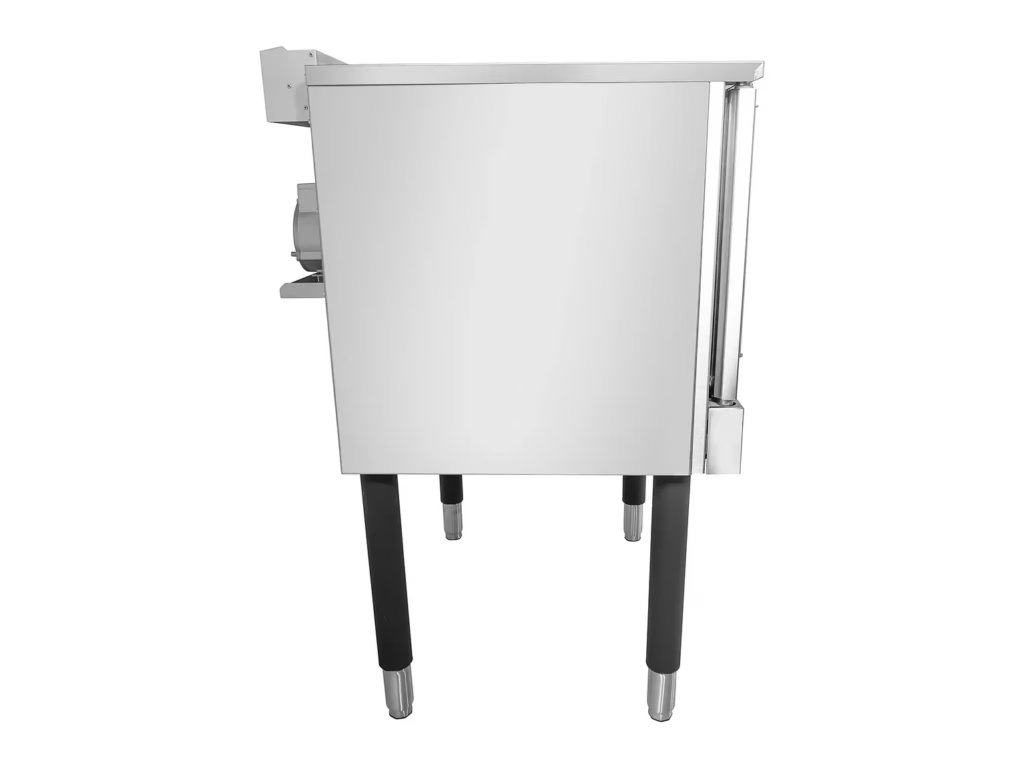
Gas vs Electric Convection Ovens for Commercial Kitchens
Full-size convection ovens come in two flavors, and the right one usually gets decided by your building before it gets…
Read more →Outfitting a kitchen?
Browse the Genkraft range or talk to our Santa Fe Springs team about specs, availability and dealer pricing.
Browse Products