
Back Bar and Bottle Coolers: A Buying Guide for Bars and Restaurants
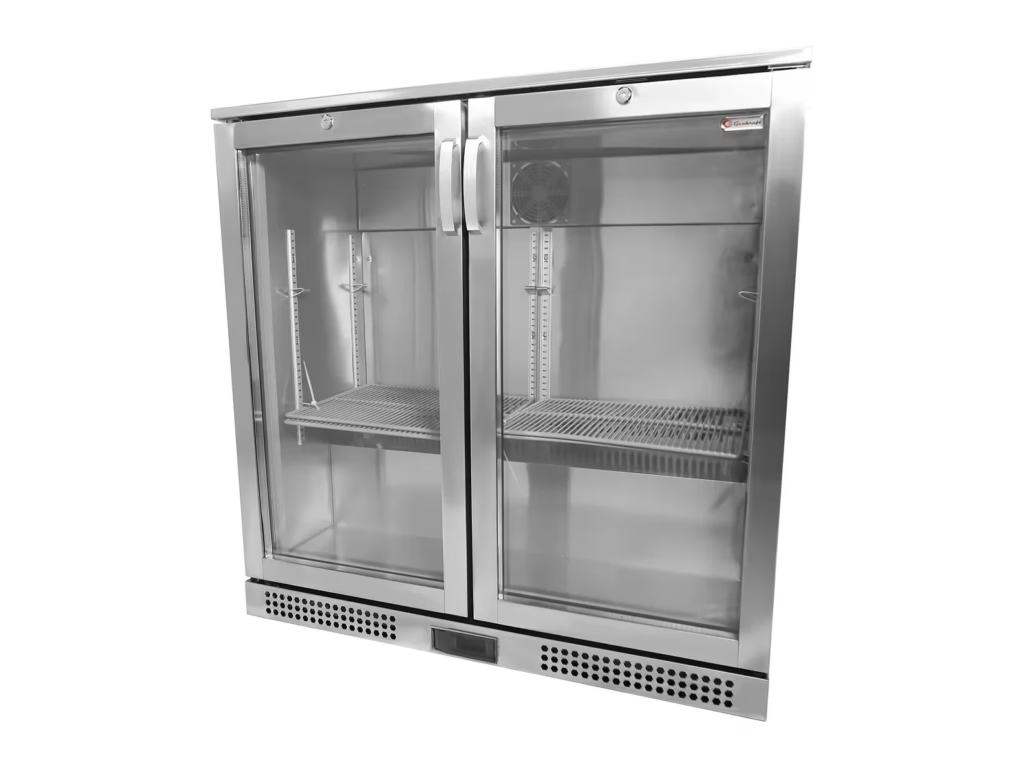
Behind a bar, refrigeration is measured in seconds: how fast a bartender can pull a cold bottle without breaking conversation. That is what back bar and bottle coolers are built for.
Size it in cases, not cubic feet
Work out your busiest night’s sales of bottled and canned product, then add restock headroom. Spec sheets for bottle coolers quote capacity in 12 oz bottles and cases, which maps directly to how bars actually order. As a rule, the cooler should hold a full night of service so nobody is running to the walk-in mid-shift.
Pick the format for the workflow
- Back bar coolers sit under the counter behind the bartender, with sliding or swing doors. Sliding doors save aisle space in a tight bar run; swing doors give faster full access.
- Top-opening bottle coolers hold high volume at very steady temperatures (cold air stays put when the lid opens) and double as an ice-down for events.
Serving temperature is a spec, not a hope
Beer pours best in the low-to-mid 30s Fahrenheit; a cooler that hovers in the 40s produces foamy pours and warm complaints. Check the unit’s rated holding temperature under ambient bar conditions, keep the condenser clear (under-counter units breathe through their front grilles), and it will hold the number all night.
See the bottle cooler range for capacities and dimensions, or become a dealer if you outfit bars for a living.
More guides
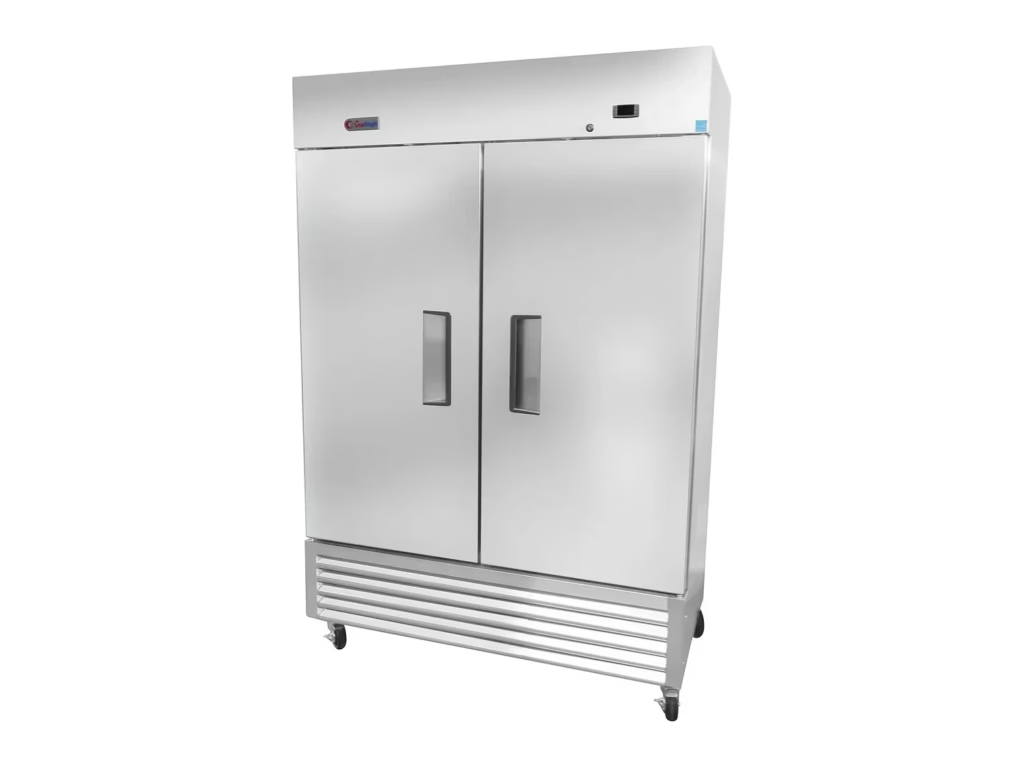
How to Choose a Commercial Reach-In Refrigerator
A reach-in refrigerator works harder than almost anything else in a commercial kitchen. It gets opened hundreds of times a…
Read more →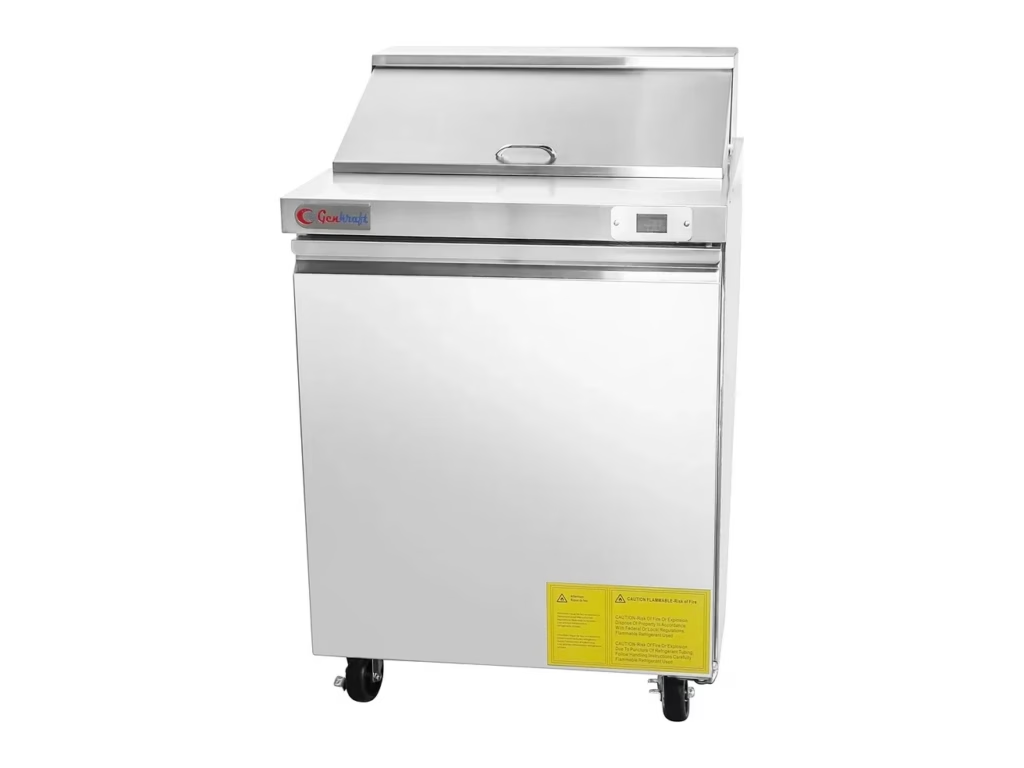
Commercial Prep Table Sizing: Pick the Right Size for Your Service Volume
A prep table that is too small forces constant restocking mid-service. One that is too big wastes line space and…
Read more →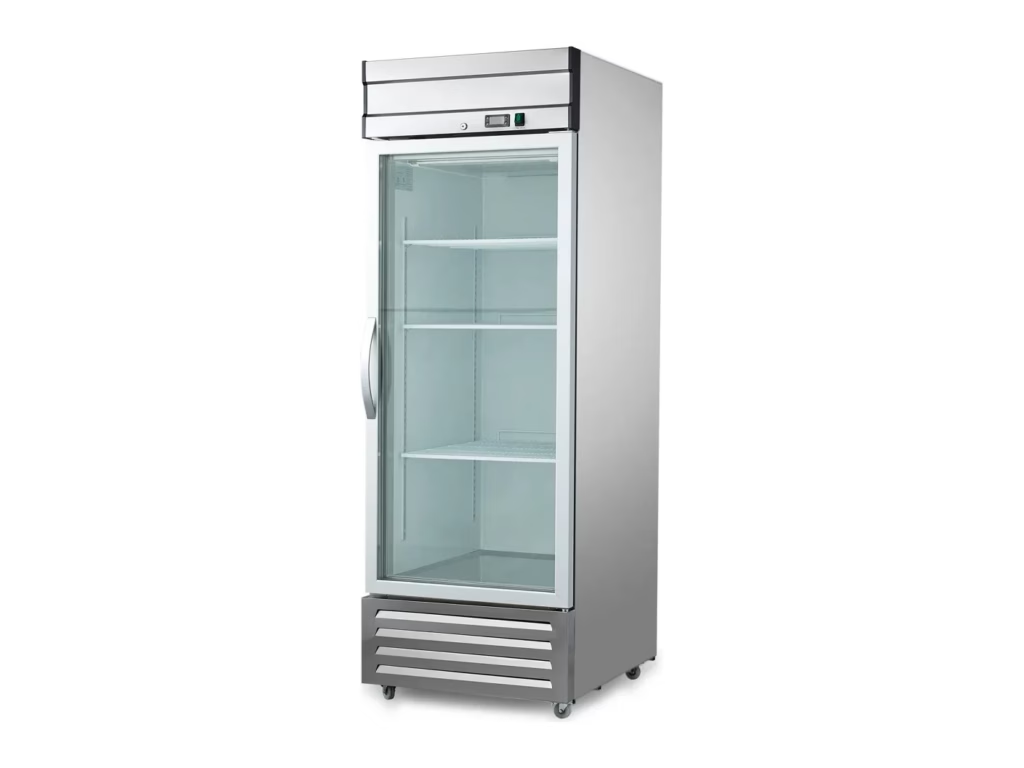
Glass Door vs Solid Door Commercial Refrigerators
Every reach-in cabinet comes down to one early decision: glass doors or solid. Neither is better across the board; they…
Read more →Outfitting a kitchen?
Browse the Genkraft range or talk to our Santa Fe Springs team about specs, availability and dealer pricing.
Browse Products