
Commercial Griddle Buying Guide: Size, Power, and Placement
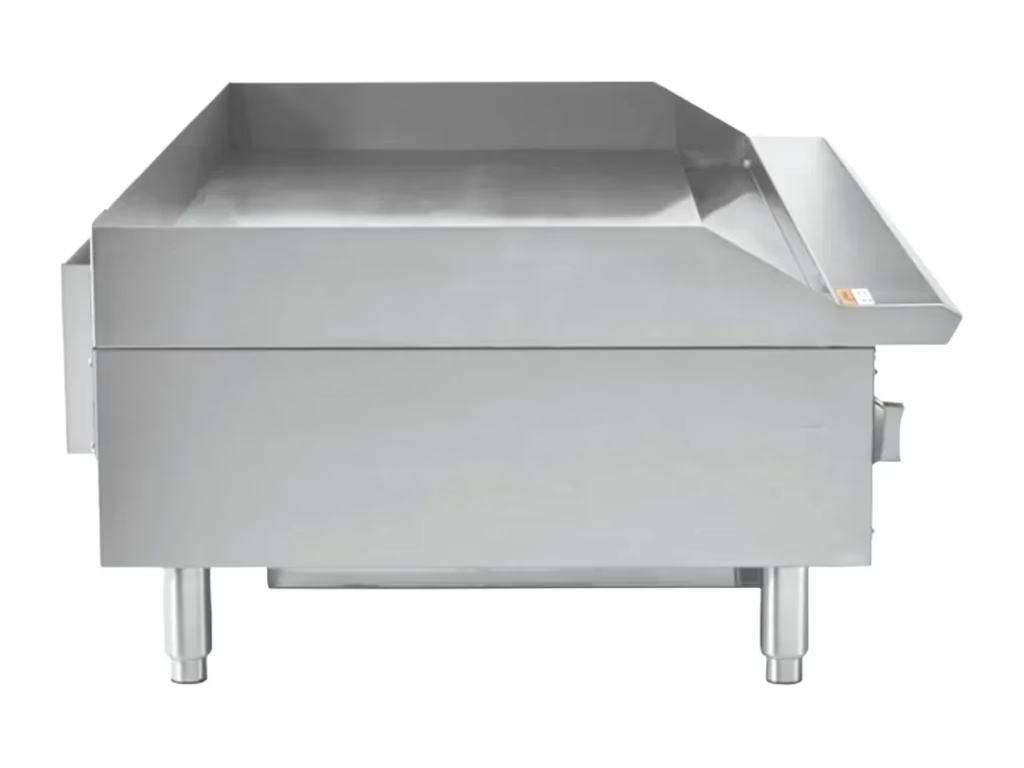
A griddle earns its keep at breakfast and never really stops. Choosing one comes down to width, controls, and plate, in that order.
Width: buy cooking zones, not inches
Each burner under the plate is a zone you can run at its own pace. A 24-inch griddle gives you one serious zone for a compact line or a food truck. A 36-inch adds a second zone so eggs and bacon stop fighting over temperature. A 48-inch runs a full breakfast rush: high-heat searing on one end, gentle holding on the other.
Manual vs thermostatic controls
Manual valves respond instantly and suit cooks who read the plate by feel; they are also simpler, with less to go wrong. Thermostatic controls hold a set temperature through load changes, which helps consistency with a rotating crew. For most independent operations, a manual griddle with an experienced hand is the workhorse option.
Plate thickness and placement
- Thicker plates hold heat through frozen product but take longer to come up; thinner plates respond faster. Around three-quarters of an inch is the sweet spot for mixed use.
- Countertop griddles need a sturdy stand or refrigerated equipment base and a hood above.
- Leave landing space either side for plating; a griddle with no landing zone slows the whole line. If you want burners and a griddle in one footprint, look at a combination range like the 6-burner range with 24-inch griddle.
Every model in the griddle range has a downloadable spec sheet with dimensions, gas requirements, and clearances.
More guides
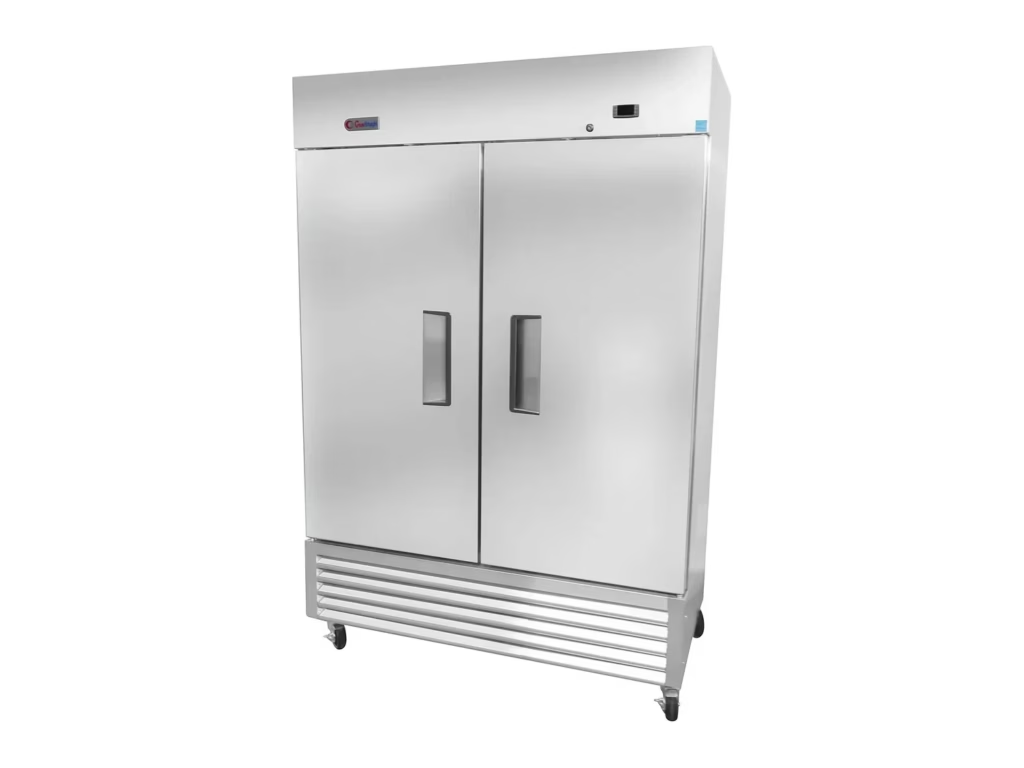
How to Choose a Commercial Reach-In Refrigerator
A reach-in refrigerator works harder than almost anything else in a commercial kitchen. It gets opened hundreds of times a…
Read more →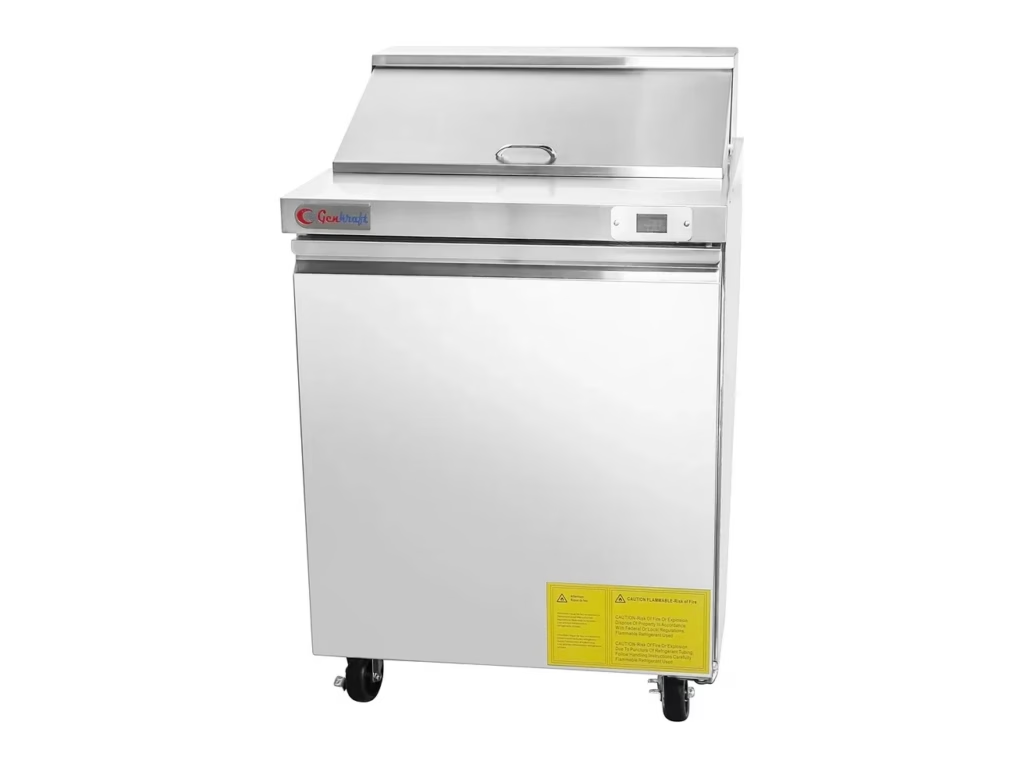
Commercial Prep Table Sizing: Pick the Right Size for Your Service Volume
A prep table that is too small forces constant restocking mid-service. One that is too big wastes line space and…
Read more →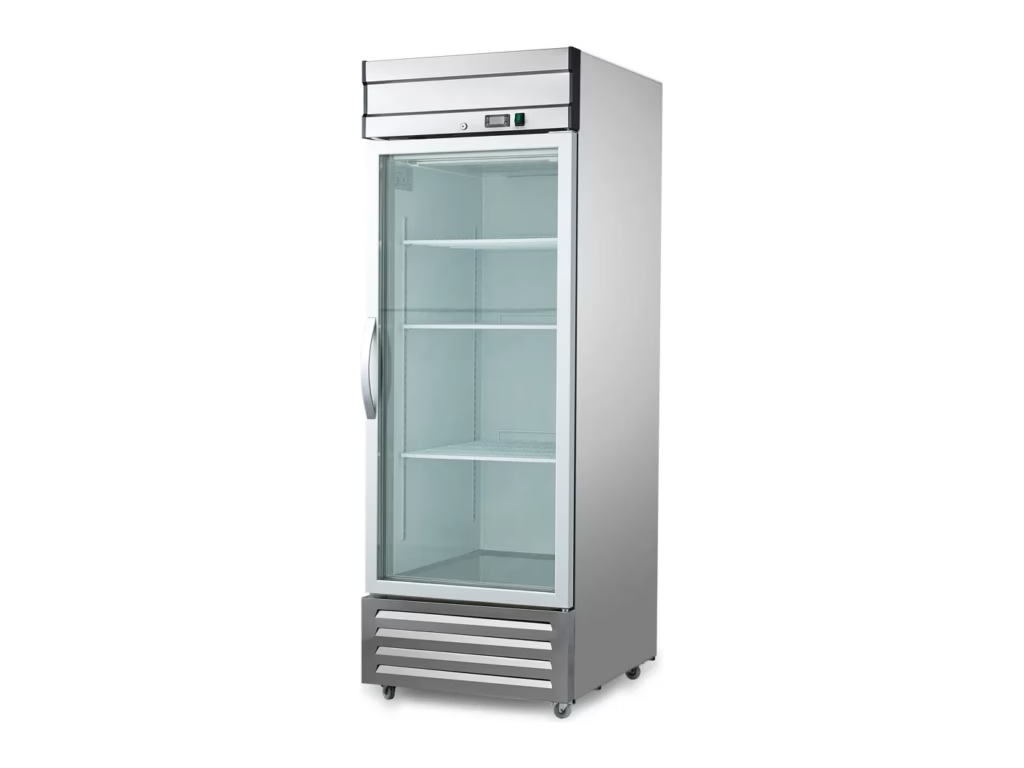
Glass Door vs Solid Door Commercial Refrigerators
Every reach-in cabinet comes down to one early decision: glass doors or solid. Neither is better across the board; they…
Read more →Outfitting a kitchen?
Browse the Genkraft range or talk to our Santa Fe Springs team about specs, availability and dealer pricing.
Browse Products