
Gas vs Electric Convection Ovens for Commercial Kitchens
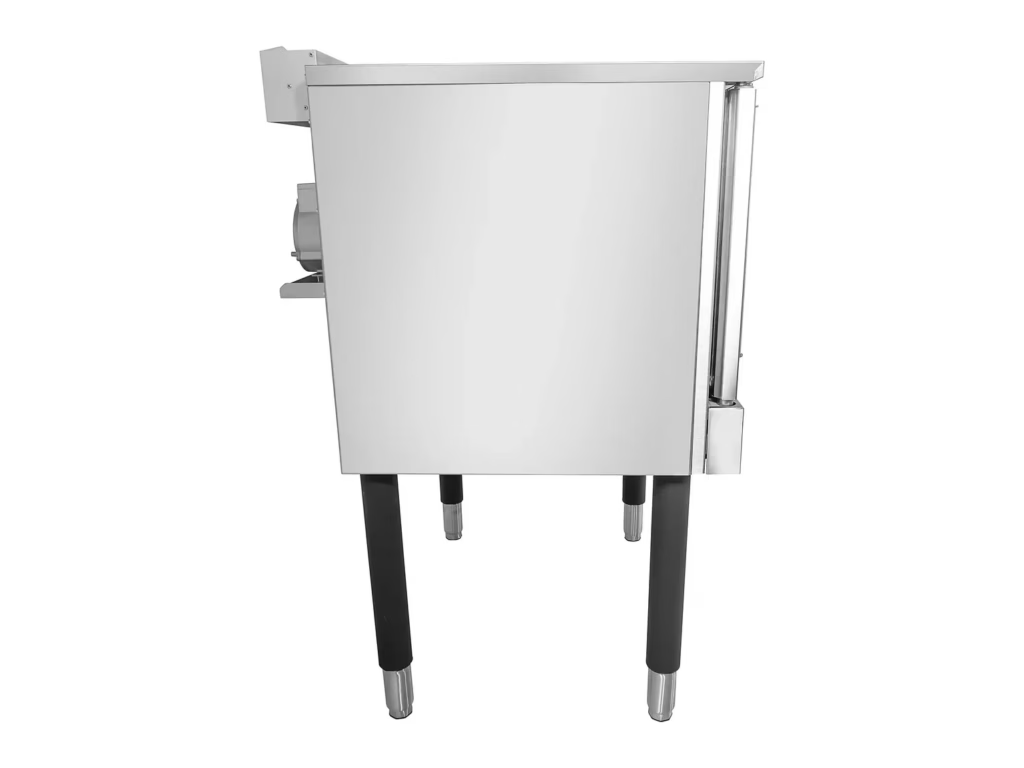
Full-size convection ovens come in two flavors, and the right one usually gets decided by your building before it gets decided by your menu. Here is the honest comparison.
Installation decides more than preference
A gas convection oven needs a gas line and a hood; an electric convection oven needs a serious circuit (typically 208–240V) and, depending on your jurisdiction, may still need ventilation. If your site only has one of the two services available at the oven’s position, that usually settles it.
Running cost and performance
- Gas is usually cheaper per BTU in most US markets, recovers heat quickly, and shrugs off heavy door traffic. The trade-off is a slightly less even chamber and more heat thrown into the kitchen.
- Electric elements produce a dry, even heat that bakers tend to prefer for consistency, with tighter thermostat control and no combustion byproducts in the chamber.
Match the oven to the workload
High-volume roasting, casseroles, and mixed savory work suit gas. Pastry, bread, and anything where an even bake across five racks matters leans electric. Either way, confirm the chamber takes full-size sheet pans and check the spec sheet for rack count, electrical or gas requirements, and clearances before ordering.
Compare both in the convection oven range, and ask our team if you are weighing install costs for your site.
More guides
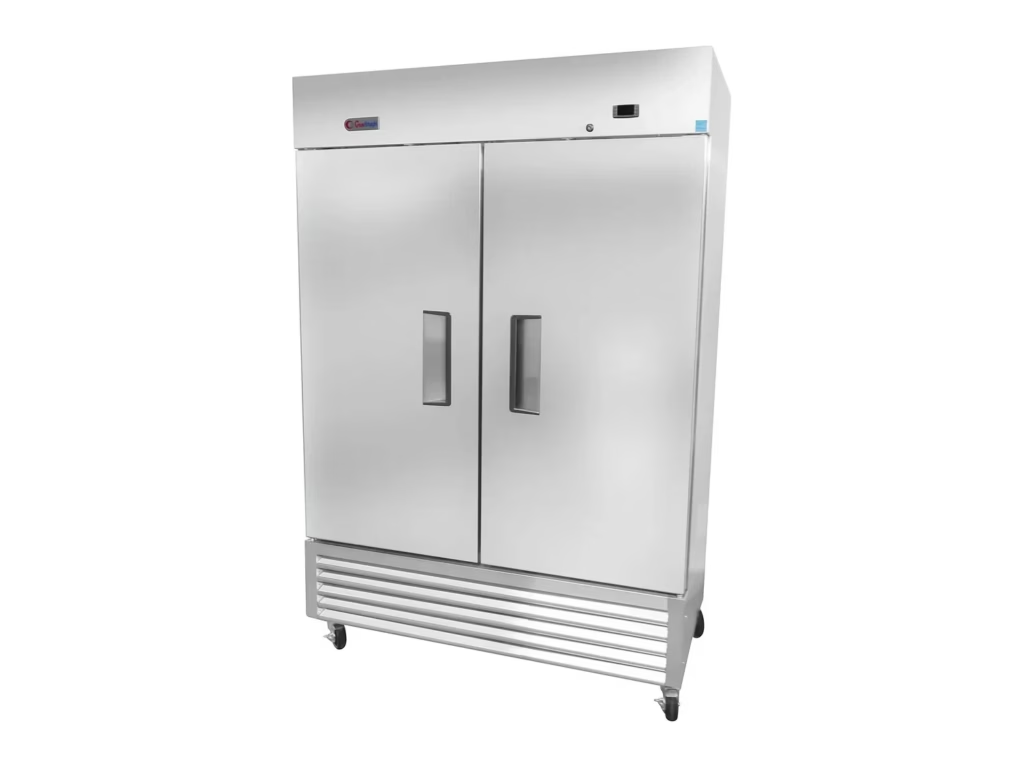
How to Choose a Commercial Reach-In Refrigerator
A reach-in refrigerator works harder than almost anything else in a commercial kitchen. It gets opened hundreds of times a…
Read more →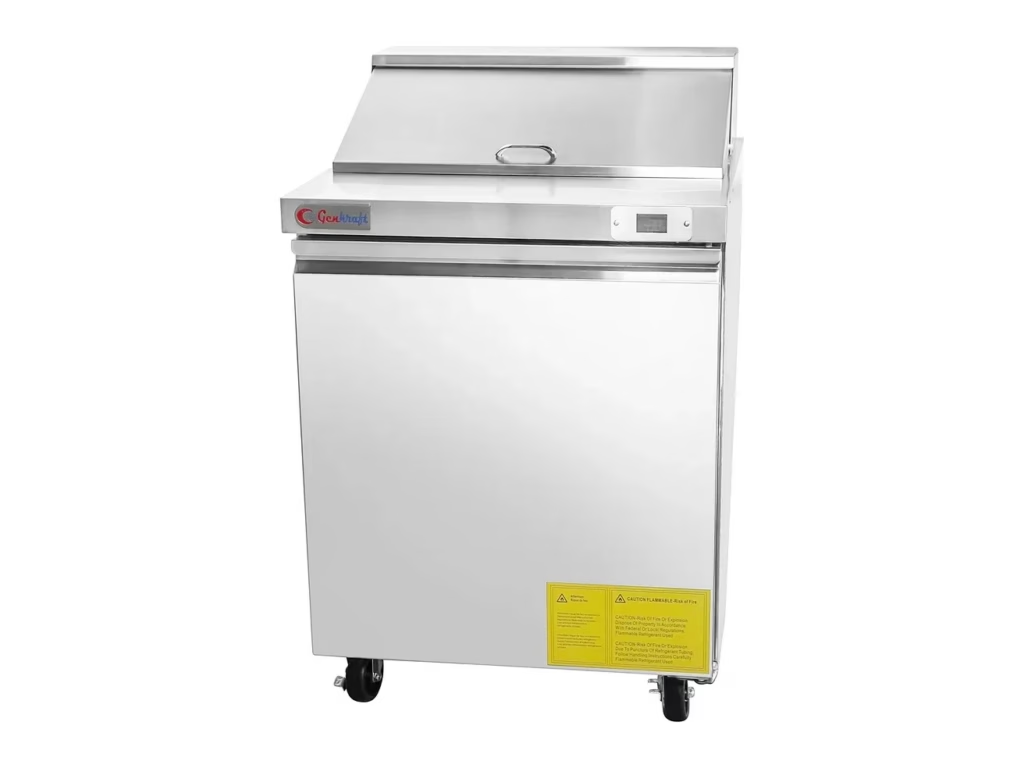
Commercial Prep Table Sizing: Pick the Right Size for Your Service Volume
A prep table that is too small forces constant restocking mid-service. One that is too big wastes line space and…
Read more →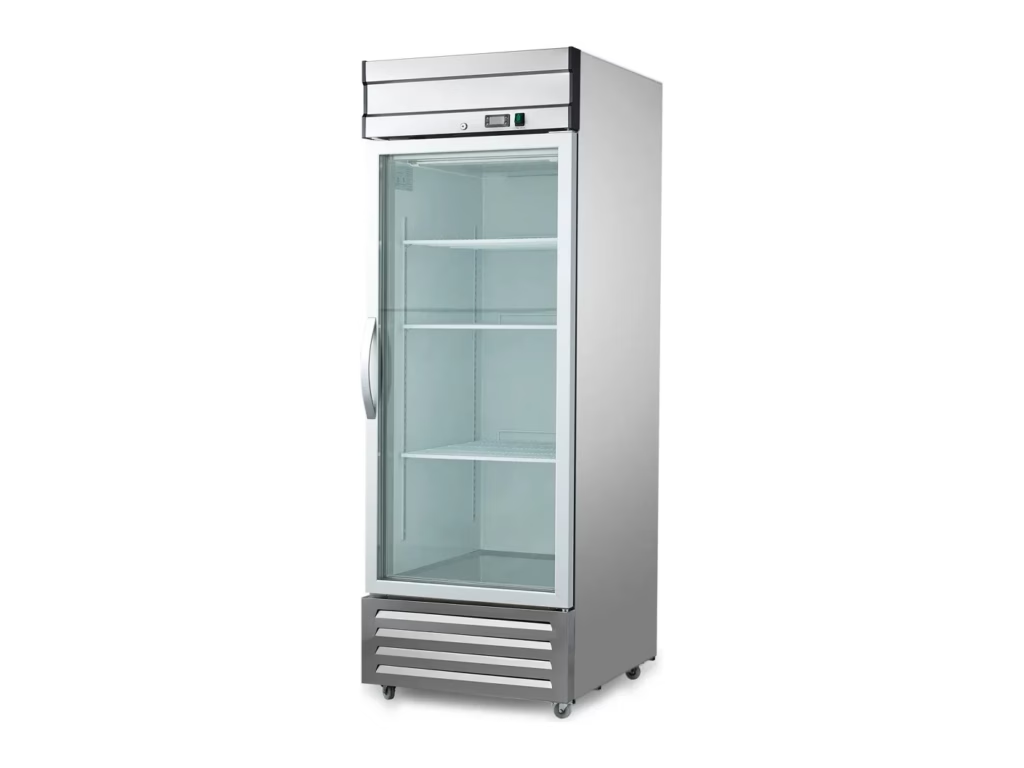
Glass Door vs Solid Door Commercial Refrigerators
Every reach-in cabinet comes down to one early decision: glass doors or solid. Neither is better across the board; they…
Read more →Outfitting a kitchen?
Browse the Genkraft range or talk to our Santa Fe Springs team about specs, availability and dealer pricing.
Browse Products